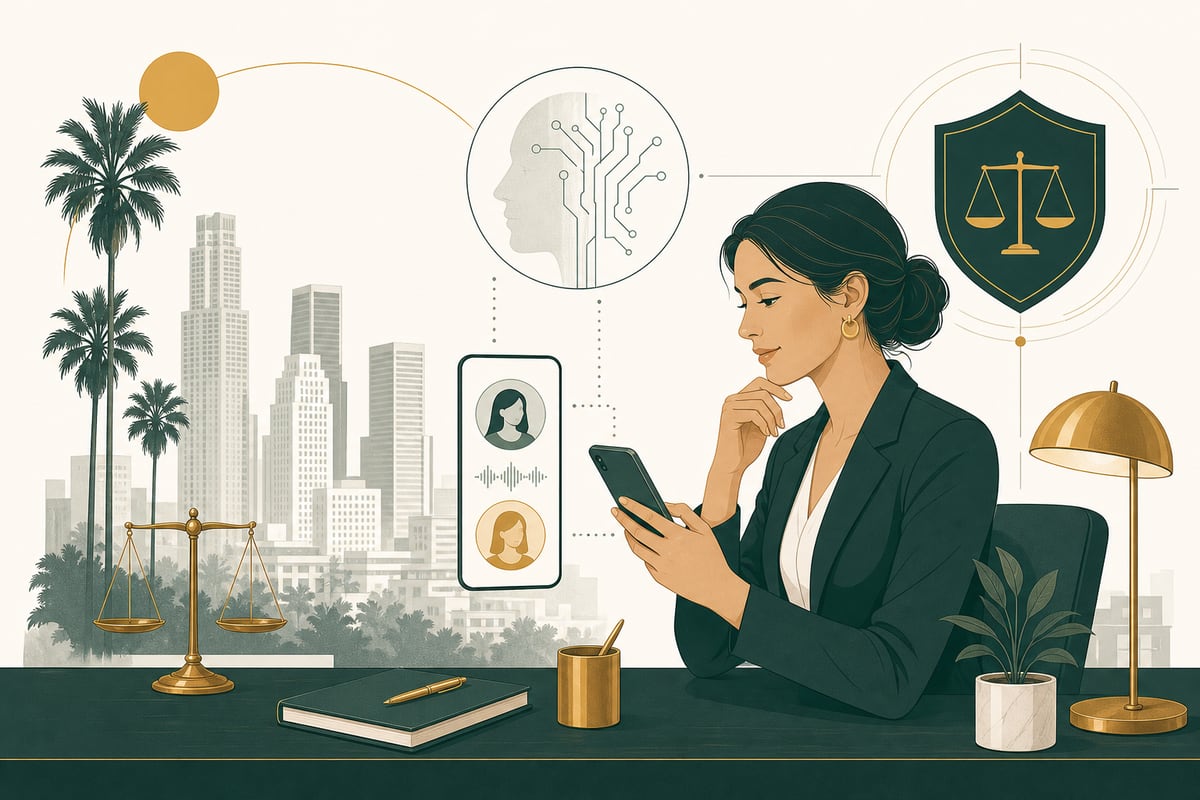
A trustworthy after-hours phone experience for Los Angeles immigration and personal-injury firms should do three things well: answer quickly in English and Spanish, stay strictly focused on intake, and set clear expectations about what happens next. If callers feel heard, informed, and not pressured, your firm can capture more qualified leads without sounding risky or impersonal.
Why the after-hours experience matters more than many firms think
For immigration and personal-injury firms, many important calls do not arrive during calm business hours. They come in after work, after school pickups, after a hospital visit, after a traffic collision, or after a family member finally gets the courage to call. In Los Angeles, those callers are often bilingual households or Spanish-dominant callers who want immediate clarity more than a perfect script.
That first phone interaction shapes trust fast. If the line goes to voicemail, sounds confusing, or forces a caller to wait until morning without giving them any sense of next steps, the firm may lose the opportunity before a human ever gets involved. That does not mean the solution is to let an AI act like a lawyer or case screener. It means the phone experience should be designed carefully around reassurance, boundaries, and a smooth handoff.
What a trustworthy after-hours legal intake line should actually do
A safe after-hours system is not trying to close a case on the call. It is trying to collect basic intake information, identify urgency based on your firm’s rules, and route the matter for follow-up.
For immigration and PI firms, that usually means the line should be able to:
- greet callers naturally in English and Spanish
- explain that it is an automated intake assistant
- disclose when calls are recorded, consistent with California two-party-consent requirements
- collect contact details accurately
- gather a short description of the situation
- ask limited, firm-approved intake questions
- note time-sensitive concerns for the team
- set expectations for callback timing
- avoid legal advice, predictions, or case evaluation
That last point matters most. TelAI is intake-only. It should never tell a caller whether they have a strong case, what to file, whether they will win, whether they should accept a settlement, or what immigration path they qualify for. The goal is a clean, useful intake record for your staff to review.
Trust starts with clarity, not with sounding “more human” than necessary
A common mistake is trying to make an automated line sound overly clever or overly casual. In legal intake, trust usually comes from clarity, not theatrics.
A better approach is simple:
- identify the firm clearly
- state that the caller has reached an automated intake line
- offer English and Spanish naturally
- explain what the assistant can do
- explain what it cannot do
- tell the caller what happens next
This reduces confusion and lowers the chance that a caller thinks they already spoke with legal staff. It also protects the firm by making the boundaries obvious from the start.
For example, a strong opening might communicate:
- the law firm name
- that the line helps collect new-client information after hours
- that the call may be recorded
- that the assistant cannot provide legal advice
- that urgent emergencies should use 911 or appropriate emergency services when applicable
That kind of transparency often feels more professional than a vague, “human-like” conversation that hides what the system is.
Why bilingual quality is a trust issue, not just a feature
For LA immigration and PI firms, bilingual service is not an add-on. It is central to whether the caller feels comfortable enough to continue.
A trustworthy bilingual intake experience should not simply translate a few menu prompts. It should allow the caller to speak naturally in English or Spanish, switch when needed, and complete the intake without being made to feel like the “other” language is the backup path.
This matters especially in family-based immigration matters, accident calls involving multiple relatives, and households where one person starts in English and another takes over in Spanish. If the after-hours line handles that switch poorly, trust drops immediately.
Good bilingual handling also means cultural clarity. The wording should be respectful, plain, and easy to follow. It should not rely on stiff literal translation or confusing legal phrasing. Callers are often stressed, tired, or embarrassed about their situation. Simple language helps.
A better design for immigration calls after hours
Immigration callers may be dealing with deadlines, fear, language barriers, or family pressure. The safest after-hours phone design is calm and structured.
The intake flow can gather:
- caller name and callback number
- preferred language
- whether they are calling for themselves or someone else
- the broad matter type
- whether there is a deadline, hearing, interview, or recent notice
- best time to reach them
What it should not do is suggest legal strategy, interpret notices, or tell callers what status they may qualify for. Even if a caller asks direct questions, the line should stay within intake boundaries and explain that a legal professional must review the facts.
That restraint can actually build confidence. A nervous caller often wants assurance that the firm is organized and will follow up, not a risky answer from a machine.
A better design for personal-injury calls after hours
PI callers are often in pain, overwhelmed, or calling on behalf of a relative. They may also be deciding quickly which firm to trust. A good after-hours intake experience should feel responsive without pretending to investigate or value the case on the spot.
The line can collect:
- caller identity and contact information
- accident type
- date and location of incident
- whether medical care was received
- whether the caller is safe to talk
- whether the matter appears time-sensitive under the firm’s escalation rules
It should not estimate settlement value, assign fault, recommend treatment, or tell the caller whether they “have a case.” It should also avoid pressing for unnecessary detail late at night. The job is to capture the essentials accurately and tee up a fast human follow-up.
Compliance and boundaries should be built into the experience
Trust and compliance are closely related. A line that sounds smooth but ignores legal boundaries can create bigger problems than voicemail.
For California firms, the call-recording disclosure should be clear. The assistant should also be configured so it does not drift into legal advice or make promises about outcomes. Your staff should know exactly what the line asks, what it stores, and how urgent calls are flagged.
Honesty about limits is a strength here. If the system cannot help with a specific request after hours, it should say so plainly and direct the caller to the next appropriate step. Not every call can or should be fully handled by automation.
Signs your current after-hours setup may be hurting trust
Many firms think they have an after-hours process because they have voicemail, a call center, or a forwarding rule. But trust problems often show up in quieter ways.
Watch for signs like:
- callers hanging up before leaving a message
- incomplete contact information
- weak Spanish-language message quality
- staff returning calls without enough context
- callers expecting advice they thought they already received
- confusion about response times
- no consistent recording disclosure
If those issues sound familiar, the problem may not be call volume. It may be the design of the first interaction.
What TelAI is built to do
TelAI is designed for bilingual after-hours intake, not legal analysis. For Los Angeles law firms, that means the line can answer calls in English and Spanish, disclose recording, gather firm-approved intake details, and pass clean information to your team for follow-up.
It does not replace attorney judgment. It does not give legal advice. It does not remove the need for your intake policy. Instead, it helps firms create a more consistent first contact when the office is closed and the caller still needs a real response.
For immigration and PI practices, that can be a practical middle ground: more responsive than voicemail, more consistent than an ad hoc script, and safer than using AI without clear boundaries.
The real goal: make the next morning easier for both sides
The best after-hours intake line does not try to finish the job overnight. It makes the next step easier.
By the time your staff reviews the call, they should know who called, what language they prefer, the broad nature of the matter, whether there are time-sensitive issues, and how to follow up. By the time the caller hears back, they should feel that the firm was reachable, organized, and respectful from the first minute.
That is what trust looks like in an after-hours legal phone system.
If you want to hear how a bilingual, intake-only after-hours line works in practice, call the live demo at (213) 752-9794 or visit /order.
Frequently asked questions
Can an after-hours AI line handle both English and Spanish callers on the same number?
Yes. A bilingual line should let callers continue naturally in English or Spanish without forcing a separate phone number.
Will TelAI give legal advice to immigration or PI callers?
No. TelAI is intake-only. It collects information and helps route the call, but it does not provide legal advice or case evaluations.
Does the system disclose call recording in California?
Yes. California is a two-party-consent state, so the recording disclosure should be made clearly on the call.
Can the line identify urgent calls after hours?
Yes, based on your firm’s approved intake rules. It can flag urgency for follow-up, but it should not make legal judgments.
How can I hear what the experience sounds like before setting it up?
Call the live demo at (213) 752-9794 or visit /order to learn more.